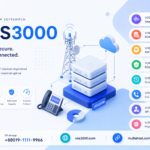

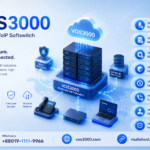

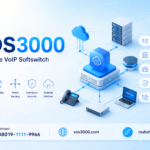

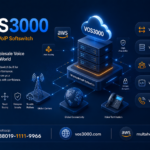

VOS3000 Softswitch Architecture – How the System Really Works
The VOS3000 softswitch is widely used in VoIP environments, yet many operators run it without fully understanding how the system works internally. A clear understanding of VOS3000 softswitch architecture is essential for stability, security, and long-term scalability.
This article explains the VOS3000 softswitch from an architectural point of view, including call flow, core components, server roles, and how different modules interact in real production deployments.
Table of Contents
🧠 What Is a VOS3000 Softswitch?
A VOS3000 softswitch is a software-based switching system that manages VoIP call routing, billing, authentication, and signaling. Unlike hardware switches, it runs on standard Linux servers and relies heavily on software logic.
- 📞 Call routing and signaling control
- 📊 Billing and CDR processing
- 👤 Client and trunk management
🔗 Core Components of VOS3000 Softswitch
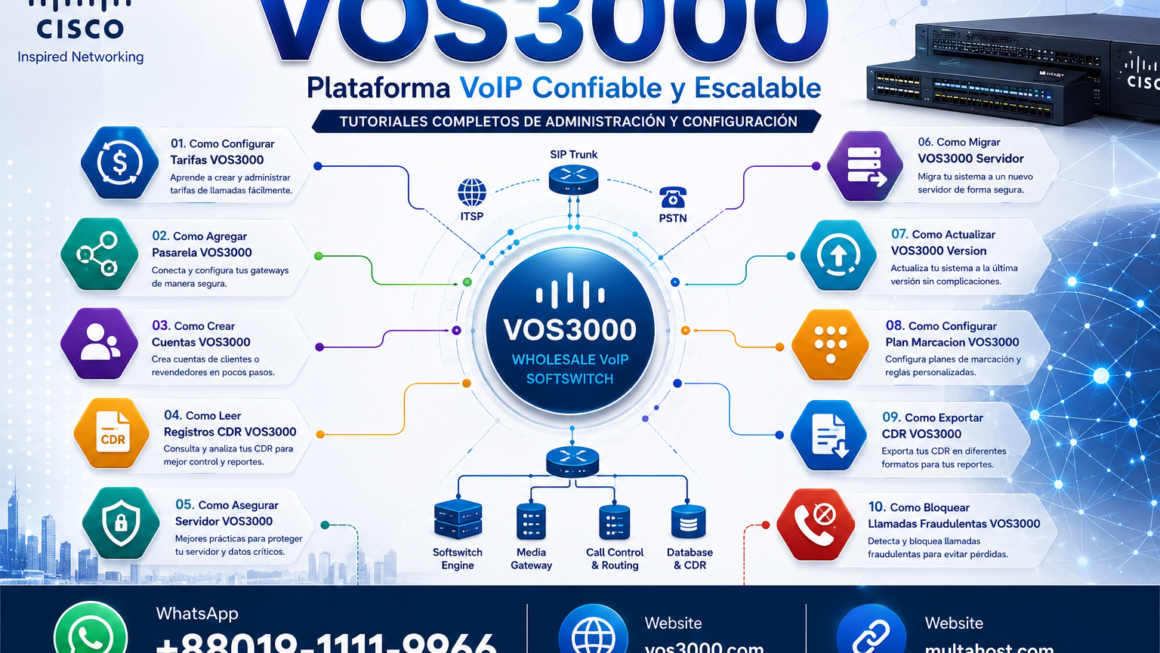
Understanding internal components helps explain why certain configurations fail. A typical VOS3000 deployment includes:
- ⚙️ Softswitch core engine
- 🗄️ Database services
- 🌐 Web Manager interface
- 📈 CDR and reporting modules
Each component has specific resource and security requirements.
📞 Call Flow Inside VOS3000
When a call enters the VOS3000 Softswitch, the system performs multiple checks:
- 🔐 Authentication validation
- 📍 Routing decision
- 💳 Billing and balance check
Any misconfiguration at these stages can result in failed calls or incorrect billing behavior.
🖥️ Server Roles & Deployment Models
VOS3000 can be deployed in single-server or multi-server models. Production environments often separate:
- 🧩 Signaling processing
- 🗄️ Database workload
- 📊 Reporting and analytics
This architecture improves performance and fault isolation.
🔐 Architecture & Security Relationship
System architecture directly affects VOS3000 security. Poor separation of services increases attack surface and makes fraud detection more difficult.
📘 Official Resources
📞 Need Architecture Planning Help?
- 📧 Email: [email protected]
- 📱 WhatsApp: +8801911119966
For deep technical breakdowns and VoIP engineering insights, visit multahost.com/blog.
Frequently Asked Questions about VOS3000
What is VOS3000 used for?
VOS3000 is a professional VoIP softswitch used for call routing, billing, traffic control, and SIP signal management in VoIP networks.
Is VOS3000 suitable for real production environments?
Yes. VOS3000 is designed for 24/7 production use and is widely deployed in live VoIP environments handling high call volumes.
Does VOS3000 support SIP protocol?
Yes. SIP is the core signaling protocol used by VOS3000 for call setup, routing, and termination.
Which operating system is recommended for VOS3000?
VOS3000 is commonly installed on CentOS 7 (64-bit) for stability, performance, and long-term operation.
Can VOS3000 be installed on a virtual server?
Yes, but for heavy traffic and stable voice quality, a dedicated physical server is strongly recommended.
Does VOS3000 include a web management panel?
Yes. VOS3000 includes a Web Manager that allows administrators to manage routes, clients, billing, and reports.
How is billing handled in VOS3000?
VOS3000 includes a built-in billing engine that calculates call costs based on routing rules, rates, and call duration.
Does VOS3000 generate CDR reports?
Yes. VOS3000 generates detailed Call Detail Records (CDR) for every call, which are essential for billing and auditing.
Can VOS3000 handle multiple routes and vendors?
Yes. VOS3000 supports multi-level routing, allowing multiple vendors, priorities, and failover routes.
Is there an API available for VOS3000?
Yes. VOS3000 provides Web API functionality for automation, integration, and remote system management.
Can VOS3000 be integrated with external billing systems?
Yes. Using its API and CDR export capabilities, VOS3000 can be integrated with third-party billing platforms.
How secure is VOS3000?
VOS3000 includes multiple security mechanisms, but proper firewall configuration and access control are required for full protection.
Does VOS3000 support anti-hacking measures?
Yes. When properly configured, VOS3000 can prevent unauthorized access, SIP scanning, and fraudulent traffic.
Can IP-based access control be applied?
Yes. Administrators can restrict access to trusted IP addresses for both SIP traffic and web login.
Does VOS3000 support load balancing?
VOS3000 supports traffic distribution through routing logic, but full load balancing depends on network architecture.
Is VOS3000 suitable for wholesale VoIP?
Yes. VOS3000 is commonly used in wholesale VoIP environments due to its routing and billing flexibility.
Can VOS3000 be used for retail VoIP services?
Yes. With proper configuration, VOS3000 can support retail VoIP services and client-based billing.
Does VOS3000 support monitoring and statistics?
Yes. The Web Manager provides call statistics, traffic reports, and system status monitoring.
How are updates and versions managed?
VOS3000 updates are provided by the vendor, and administrators should follow official manuals for version upgrades.
Where can I download official VOS3000 manuals?
Official manuals and client software are available from the VOS3000 downloads page.
Is technical knowledge required to manage VOS3000?
Yes. VOS3000 is a professional system and requires VoIP, SIP, and server administration knowledge.
Can VOS3000 work with multiple codecs?
Yes. VOS3000 supports commonly used VoIP codecs depending on configuration and licensing.
Does VOS3000 support failover routing?
Yes. Failover routing can be configured to ensure calls are rerouted if a primary route fails.
How can I get professional support for VOS3000?
For professional guidance, contact [email protected] or WhatsApp +8801911119966.